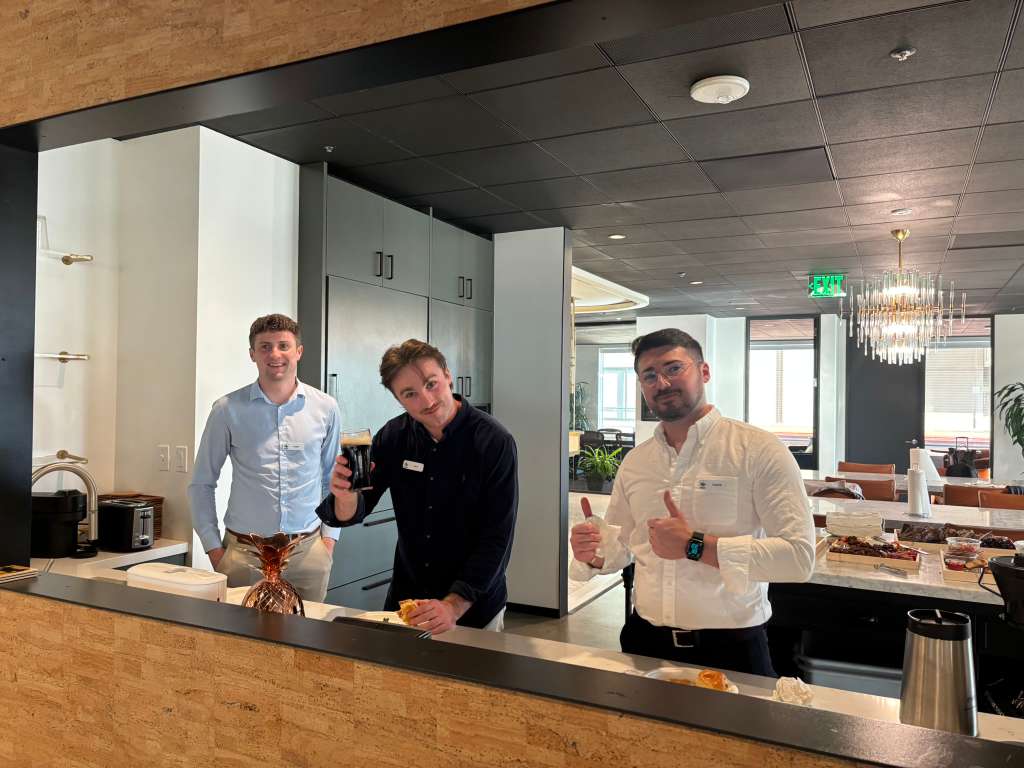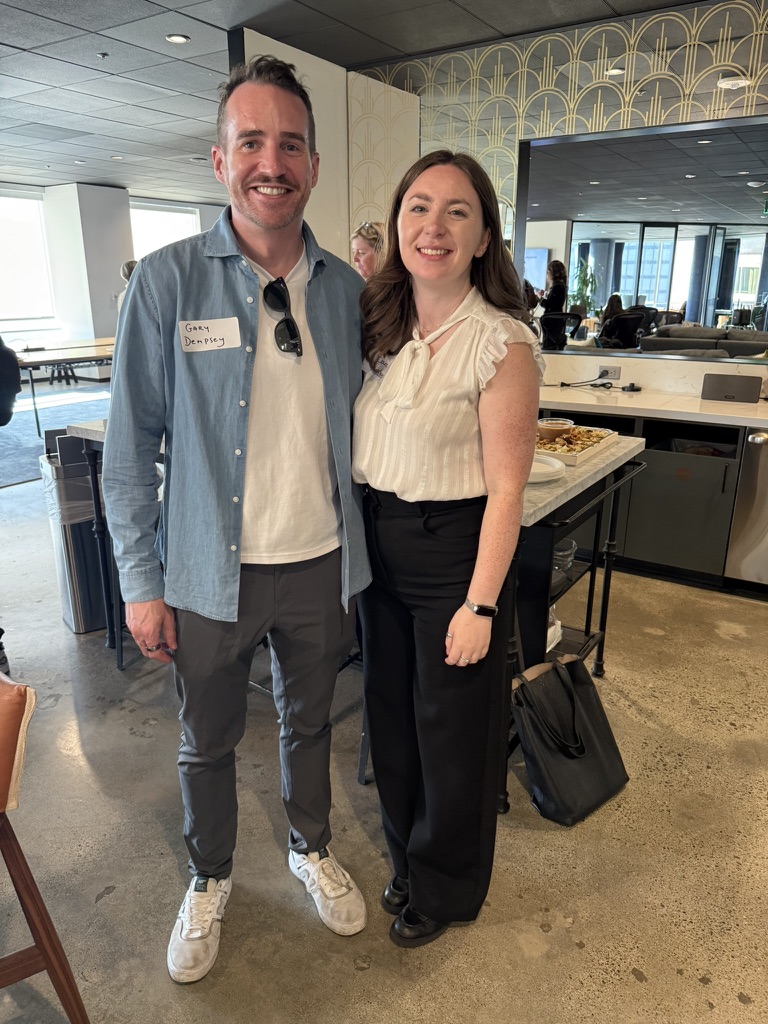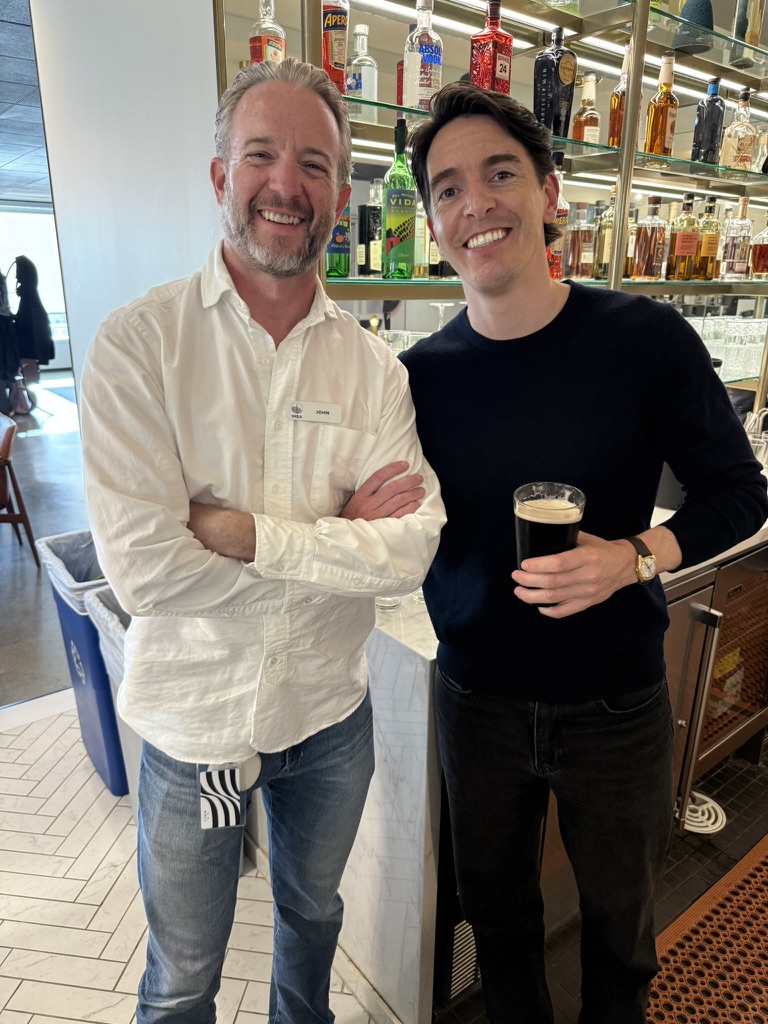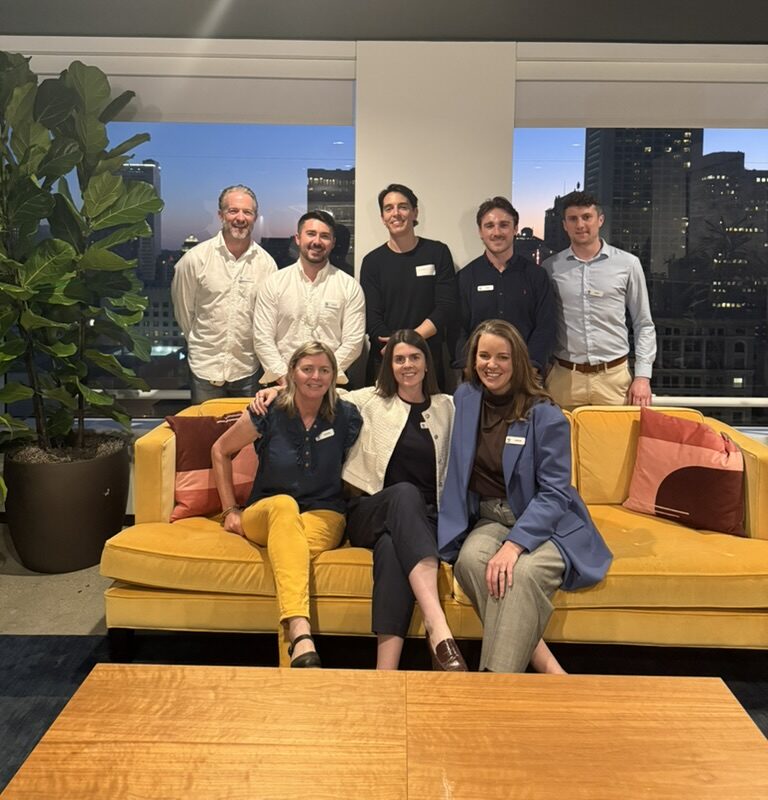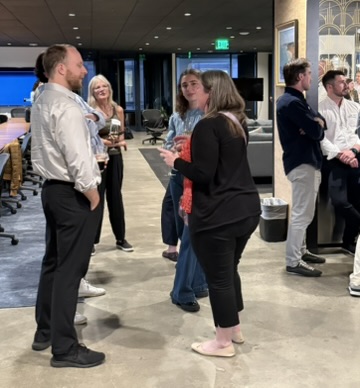
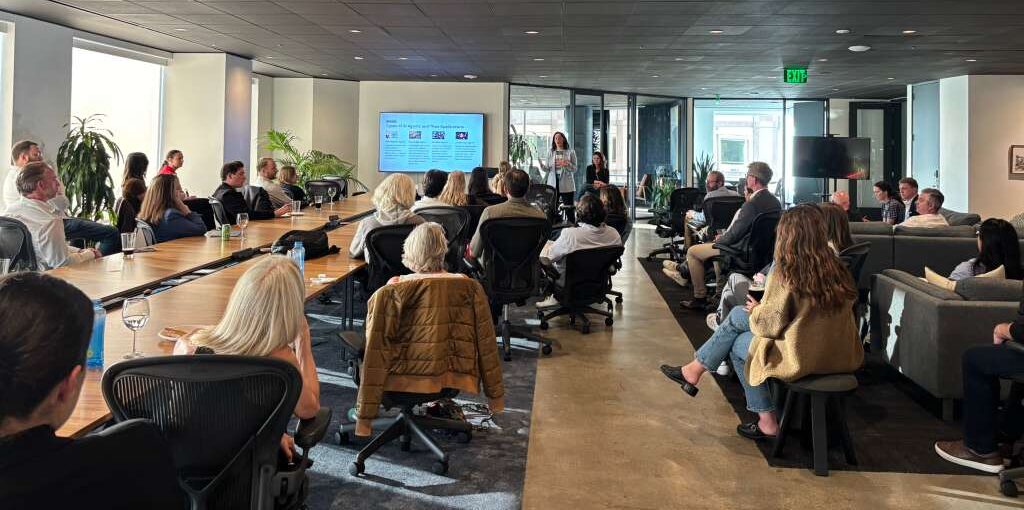
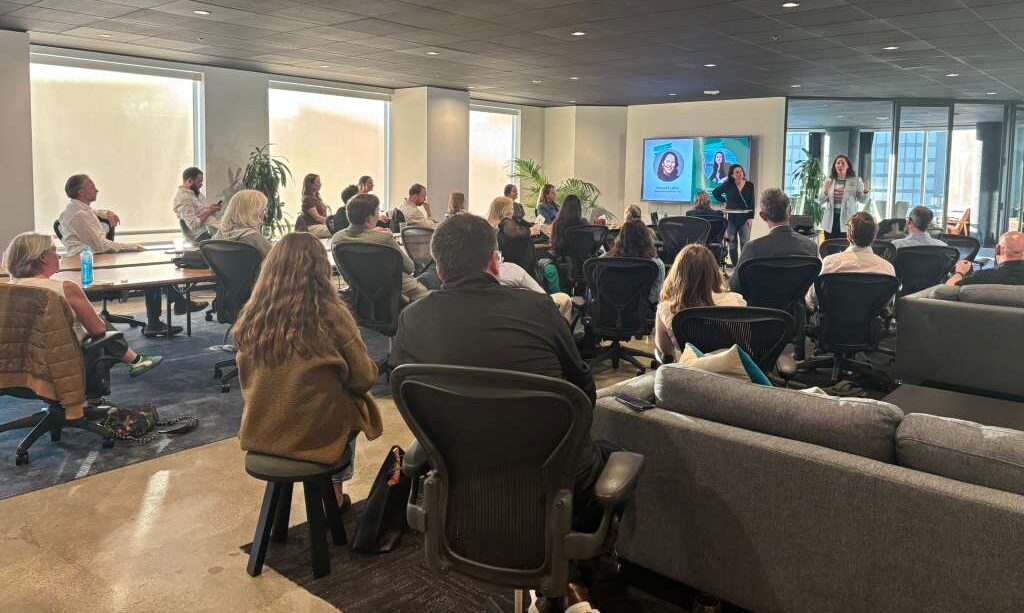
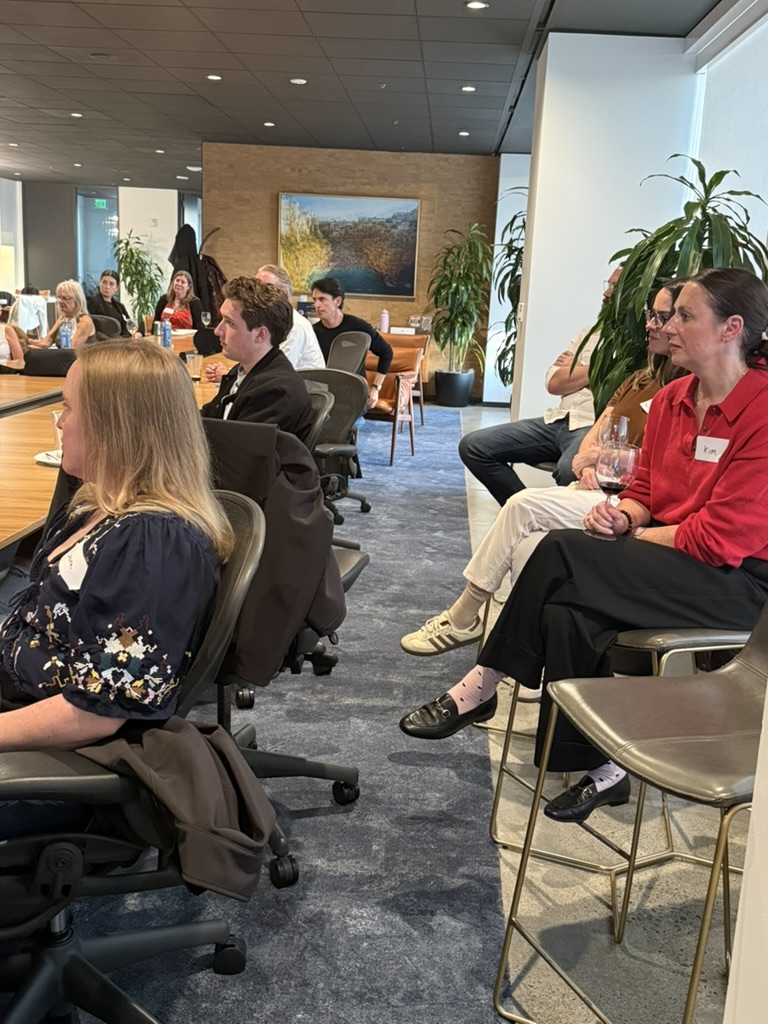
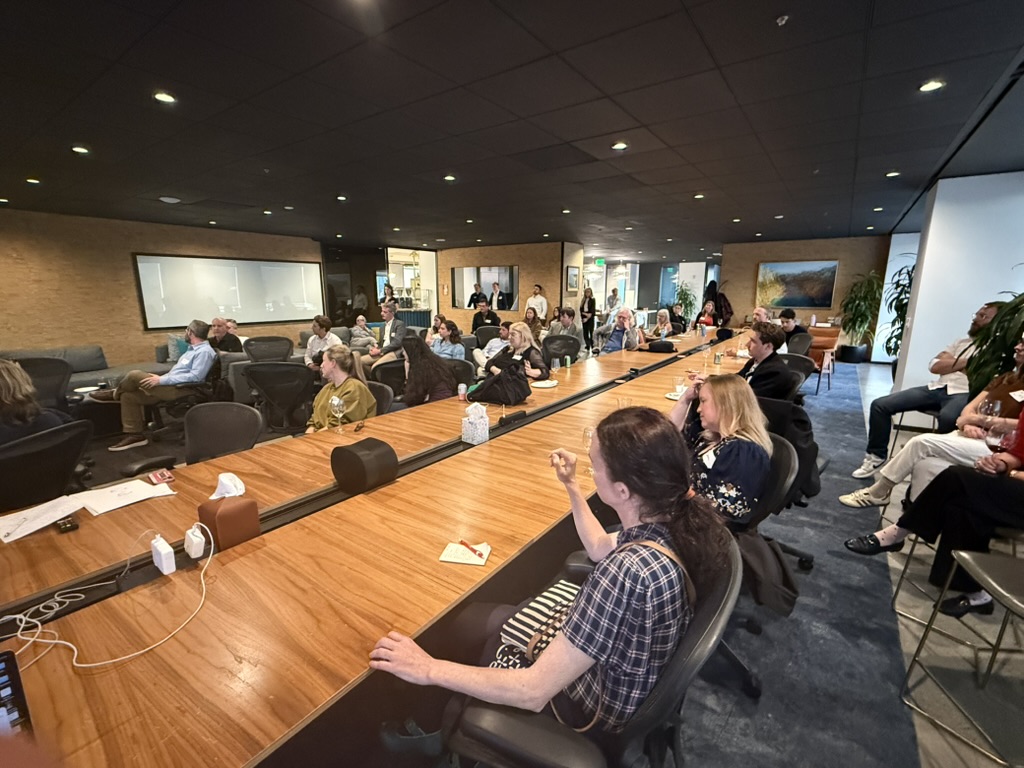
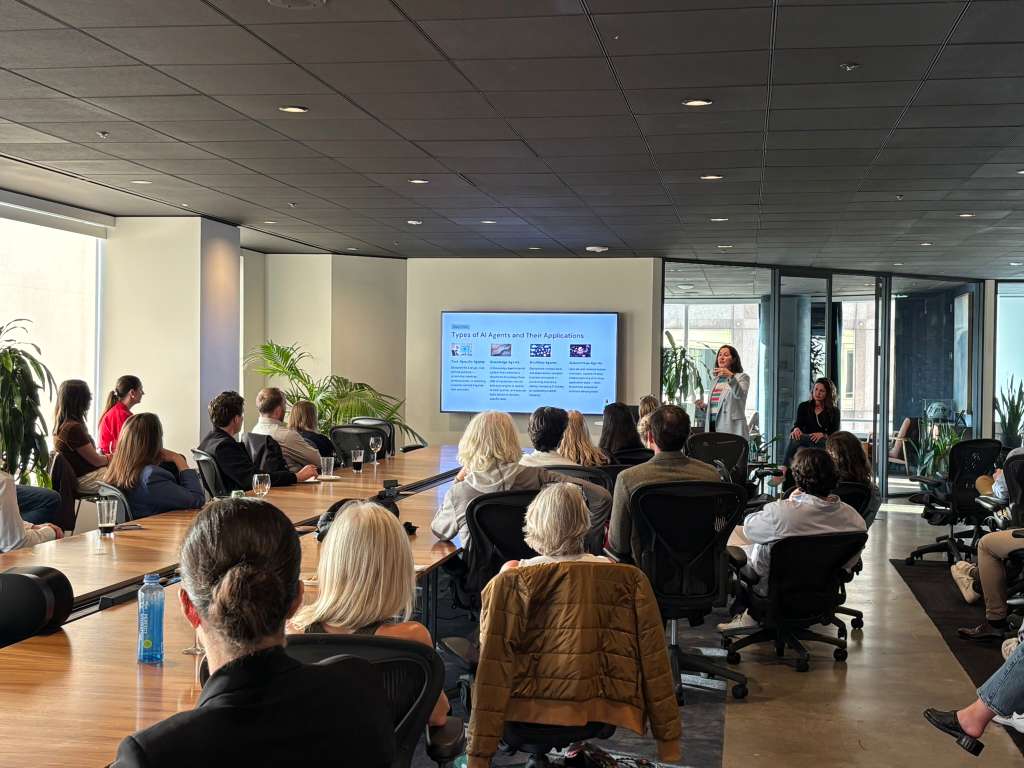
Last week a packed room at the Irish Network Bay Area’s sold-out event on Agentic AI for Workplace Productivity got a front-row seat to what may be the most consequential shift in how knowledge work gets done since the arrival of the internet.
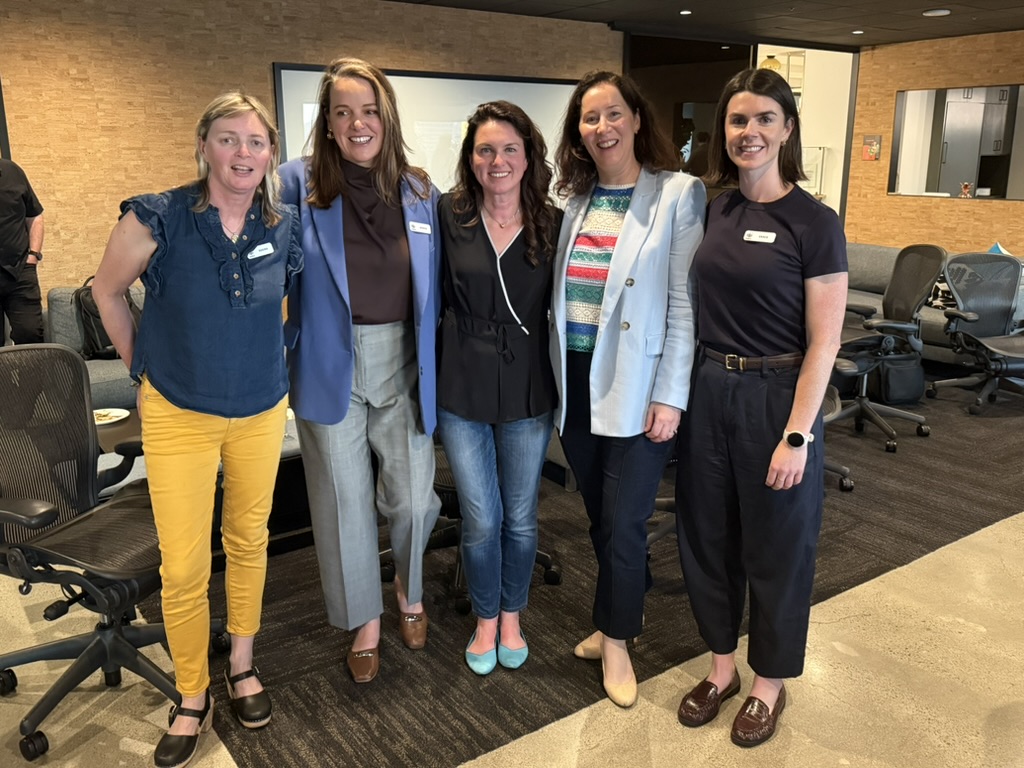
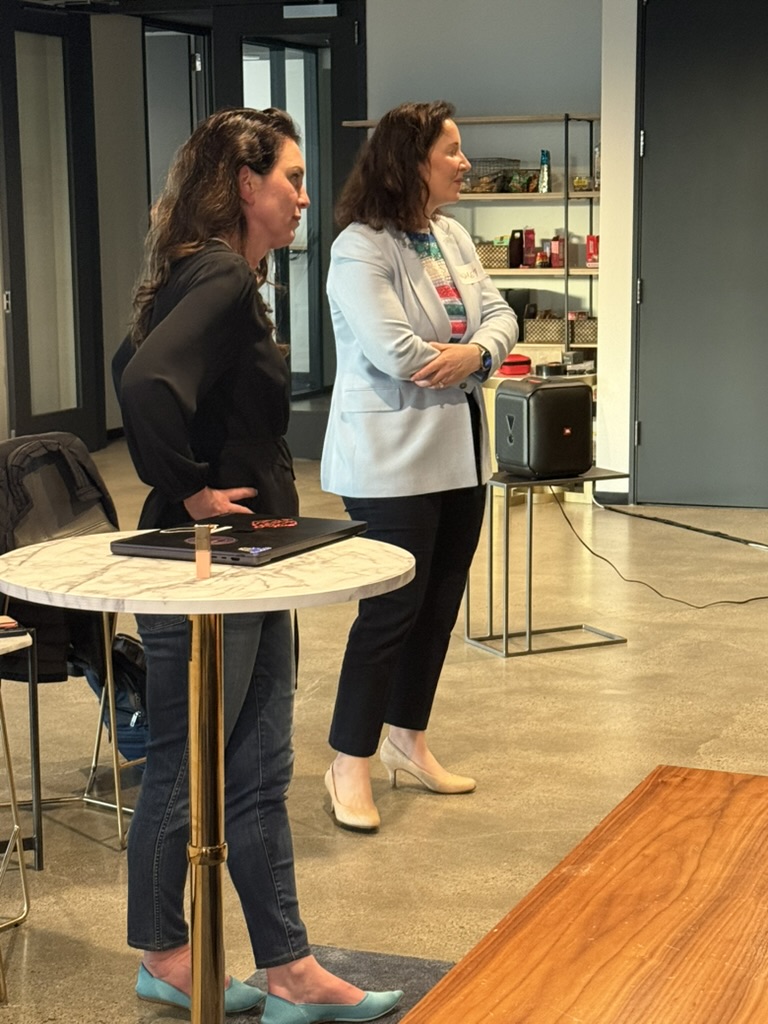
Huge thanks to Margaret Laffan, Cloud Growth and Scale GTM Leader at Intel, and Amanda Grady, VP & GM, Platform Foundations & AI Platform Security, for an outstanding evening. What set the session apart wasn’t just the content — it was the format. Both Margaret and Amanda ran live demos, engaged the room throughout, and turned what could have been a one-way presentation into a genuine conversation with the AI experts in the audience. Questions were welcomed, expertise was drawn out, and the discussion sharpened with every exchange.
From Tools to Teammates
Margaret and Amanda opened with a deceptively simple reframe: agentic AI isn’t just another tool that answers questions. It’s a digital teammate that can plan, decide, and execute multi-step tasks — using its own toolkit, learning from interactions, and adapting as it goes. That distinction matters, because it changes the question from “What can this software do for me?” to “What outcomes can I delegate to it?”
They walked the room through the spectrum of agent types — from task-specific agents that handle a single well-defined job, to knowledge agents that reason over a body of information, to workflow agents that orchestrate complex business processes, all the way up to autonomous agents capable of long-horizon planning across systems.
Three Ways to Build, Three Different Bets
One of the most useful frameworks of the evening was the comparison of three building approaches:
- Copilot / Knowledge Agents — AI as an intelligent assistant. Low autonomy, low complexity, and a 1–2 week time-to-demo. Ideal for research, onboarding documentation, and seller enablement.
- Process / Hard-Coded Agents — Rule-based agents that follow predefined workflows. Medium autonomy, well-suited to compliance-heavy or highly structured tasks.
- Autonomous Agents — Self-directed agents that plan, use tools, and adapt across complex tasks. High autonomy, high complexity, longer build times — but transformative for dynamic, strategic work.
The takeaway: these aren’t competing approaches. They co-exist, and the right choice depends entirely on the problem you’re solving.
Two Demos That Made It Real
The highlight of the evening was the live demos — and the way Margaret and Amanda invited the audience into them.
The first was a walk-through of Microsoft Copilot, showing how deeply embedded agentic capabilities are becoming inside the everyday productivity stack — Word, Excel, Outlook — and how individual contributors can start getting value without waiting for a top-down AI program. Hands went up throughout, and the speakers worked the questions into the flow of the demo.
The second was a hands-on build using the ServiceNow platform, demonstrating how an enterprise-grade agent can be assembled to handle real workflow logic. Watching an agent come together live — defining the goal, wiring up the tools, testing the loop — turned the architecture diagrams from earlier in the talk into something the audience could actually see working. Several AI practitioners in the room weighed in with their own implementation experience, and the speakers folded those perspectives into the conversation in real time.
The Bigger Shift
Margaret and Amanda closed with a perspective worth carrying forward: agentic AI doesn’t just automate work — it shifts the human role from task doer to agent orchestrator. The most successful adopters won’t be the ones with the biggest AI budgets. They’ll be the ones who build prompt literacy across their teams, start small with composable patterns, and ruthlessly measure outcomes.
A few principles that stuck with me:
- Start simple. Define clear tasks and workflows before reaching for heavy frameworks.
- Build composably. Small, reusable patterns beat monolithic systems.
- Govern from day one. Policy, security, and access control aren’t afterthoughts.
Thank You
Thank you again to Margaret, Amanda, and the Irish Network Bay Area team for putting together such a thoughtful and well-attended evening. Judging by the conversations that spilled out into the room afterward, plenty of people are leaving with a sharper view of where to begin — and a renewed appetite to start building.The event was co-hosted by the Irish Network of the Bay Area and the Trinity College Dublin Alumni Society.
The agent-centric enterprise isn’t a distant vision anymore. It’s the next frontier, and the window to lead is open right now.